
WhatsApp Marketing Trends to Watch This January: What Smart Brands Are Doing Differently
January is when marketing strategies stop being ideas and start becoming actions. It is the month where brands either set the pace for the year or spend the next eleven months trying to catch up.
In 2026, WhatsApp is no longer just a messaging app for businesses. It has become a full-fledged marketing, sales, and customer experience channel.
Smart brands are not using WhatsApp the same way they did last year. They are evolving fast, experimenting early, and building systems that prioritise conversations over campaigns.
This article explores the most important WhatsApp marketing trends to watch this January and explains what forward-thinking brands are doing differently.
Why January Matters for WhatsApp Marketing
January sets behavioural patterns. Customers are more receptive to new brands, new offers, and new communication styles at the start of the year. Brands that optimise their WhatsApp strategy early often enjoy stronger engagement and higher lifetime value across the year.
Smart marketers use January to:
Test new WhatsApp formats and automation flows
Clean and re-segment contact lists
Introduce new conversational experiences
Build trust before promotional intensity increases
#1. The Shift From Message Sending to Conversation Building
WhatsApp marketing has moved beyond sending announcements and promotions. The focus now is on two-way conversations.Why Conversations Outperform Broadcasts
Customers respond better when they feel listened to. Brands that ask questions, respond in real time, and guide users through decisions achieve higher engagement and conversions.
Smart brands are:
Asking qualifying questions before recommending products
Using reply buttons to guide conversations
Designing chat journeys instead of one-off messages
The goal is not to talk more, but to talk better.
#2. Conversational Commerce Becomes the New Sales Funnel
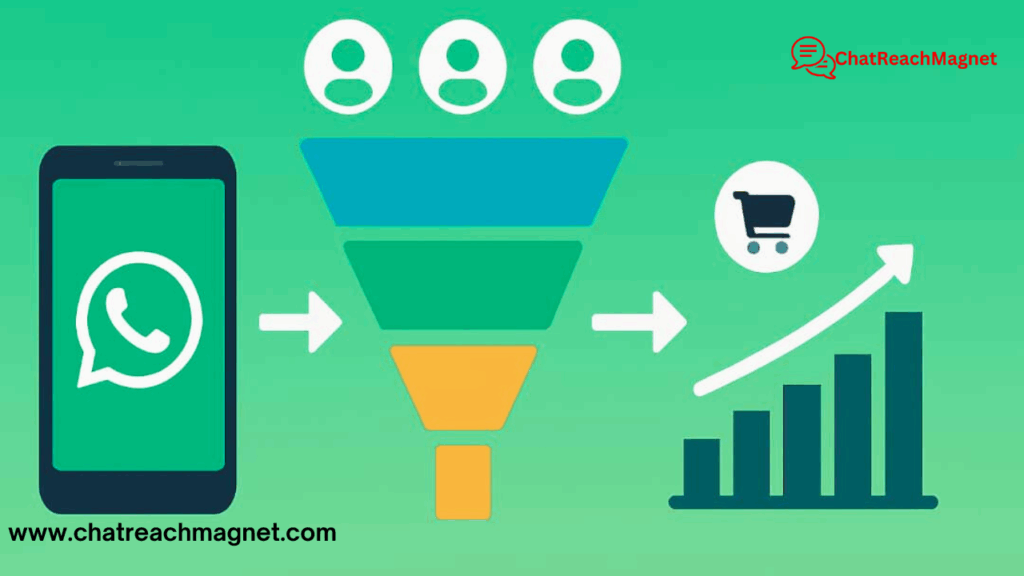
WhatsApp is increasingly replacing landing pages and long checkout processes.
• Selling Directly Inside WhatsApp
• Instead of pushing users to websites, brands now:
Share product catalogues directly in chat
Send personalised product recommendations
Close sales through chat-based payments or assisted ordering
This trend reduces friction and keeps customers within a familiar environment where trust already exists.
#3. Hyper-Personalisation Driven by Behavioural Data
Generic messaging is losing effectiveness. Personalisation is no longer about using a first name. It is about relevance.
How Smart Brands Personalise WhatsApp CampaignsLeading brands segment users based on:Purchase history
Browsing or enquiry behaviourEngagement frequencyLocation or language preference
Messages are then tailored to reflect what the customer actually needs at that moment. This makes communication feel natural rather than promotional.
#4. Rich Media Messaging as a Standard, Not an Option
Text-only WhatsApp messages struggle to compete for attention. Rich media is now a baseline expectation.
Formats That Are Driving EngagementSmart brands are using:Short videos for product demonstrationsImages and carousels for visual storytelling
Voice notes for human connectionInteractive buttons for quick responsesThese formats increase message retention and encourage immediate action.
#5. Click-to-WhatsApp Ads Dominate Performance Marketing
Traffic generation is shifting away from traditional landing pages.Why Brands Prefer Click-to-Chat Funnels
Click-to-WhatsApp ads allow brands to:
Capture intent instantlyRespond in real time
Qualify leads through conversation
Shorten the conversion journey
This approach is especially effective for e-commerce, service businesses, and high-consideration purchases.
#6. AI-Powered Automation With Human Oversight
Automation is not about removing humans. It is about using technology to scale intelligently.What Smart Automation Looks Like
Leading brands are:
•Using chatbots for FAQs and initial qualification
•Triggering automated follow-ups based on user behaviour
• Routing high-value leads to human agents instantly
The most effective strategies combine automation speed with human empathy.
#7. Lifecycle Messaging Replaces One-Off Campaigns
Brands are moving away from isolated campaigns to structured customer journeys.
Examples of Lifecycle-Based WhatsApp Messaging
• Welcome sequences for new subscribers
• Onboarding flows after first purchase
• Re-engagement messages for inactive users
• Loyalty rewards for repeat customers
This approach increases customer lifetime value and reduces churn.
#8. Trust, Compliance, and Permission-First Marketing
WhatsApp is personal by nature. Any misuse damages brand credibility.
How Smart Brands Build Trust
•Clear opt-in messaging
•Respect for message frequency
•Easy opt-out options
•Use of verified WhatsApp Business profiles
Brands that respect privacy build stronger and longer-lasting relationships.
#9. Dark Social Influence Shapes Buying Decisions
Not all WhatsApp marketing impact is visible in analytics. Understanding Dark SocialCustomers frequently:
Share offers in private chats
Forward product links to groups
Seek peer validation before purchasing
Smart brands design content that is easy to forward and valuable enough to share organically.
#10. WhatsApp as a Customer Support and Retention Tool
Marketing does not end after the sale. Post-Purchase WhatsApp Experiences
Leading brands use WhatsApp for:
Order updates and delivery notifications
Customer support and issue resolution
Feedback collection
Upselling and cross-selling based on satisfaction
This strengthens retention and increases repeat purchases.
#11. Integration With CRM and Marketing Tools
WhatsApp is no longer a standalone channel.
Why Integration Matters
Smart brands connect WhatsApp with:
CRM systems
Email marketing platforms
Advertising dashboards
Analytics tools
This creates a unified view of the customer and improves decision-making.
#12. Measuring What Truly Matters
Open rates alone are no longer enough.
Metrics Smart Brands Track
Conversation start rate
Response time
Conversion from chat
Customer satisfaction scores
Repeat engagement rate
These metrics provide clearer insight into WhatsApp’s real business impact.
Conclusion
What Smart Brands Are Doing Differently This January
WhatsApp marketing in January is about intention. The smartest brands are not chasing volume. They are building systems that prioritise relevance, trust, and conversation.
They treat WhatsApp as: A sales channelA customer experience platformA retention engine.
A relationship-building tool
Brands that adopt these trends early will not just see better results in January. They will build a competitive advantage that lasts throughout the year.
